
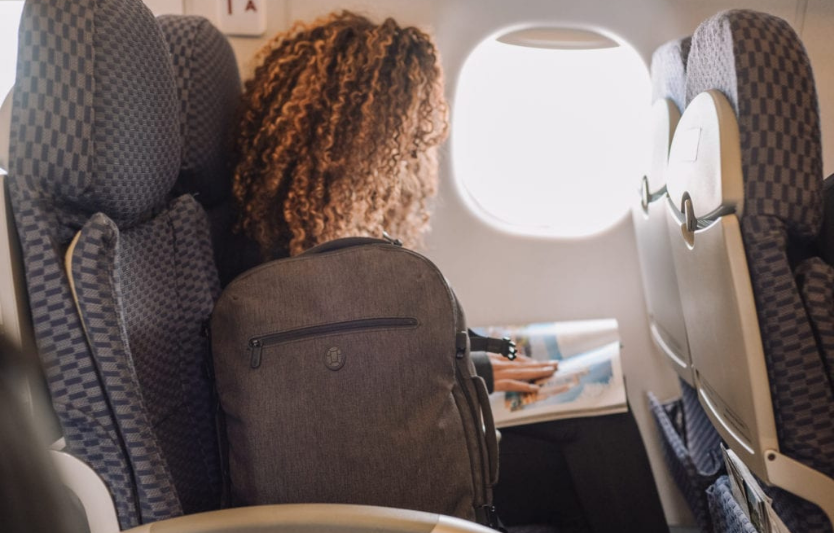
When preparing for a trip, understanding luggage rules is essential, especially when it comes to your personal item. Many travelers ask how big can a personal item be on a plane and what exactly qualifies as one. Airlines often have different policies, which can lead to confusion if you are not familiar with the general standards.
A personal item is usually a smaller bag that fits under the seat in front of you, such as a backpack, handbag, or laptop bag. Knowing the correct carry on personal item size can help you avoid extra fees and ensure a smoother boarding experience.
What Is Considered a Personal Item on a Plane
Before discussing how big can a personal item be on a plane, it is important to define what a personal item actually is. Typically, it includes items like small backpacks, purses, briefcases, or camera bags. These are meant to complement your carry-on luggage rather than replace it.
Most airlines allow one personal item in addition to a carry-on bag. The key requirement is that it must fit under the seat in front of you. This is why understanding the standard carry on personal item size is crucial when selecting your bag.
Standard Personal Item Size Limits
Although policies vary, there are common guidelines that most airlines follow. The typical carry on personal item size is around 40 x 30 x 15 cm (16 x 12 x 6 inches). Some airlines may allow slightly larger dimensions, but exceeding these limits could result in your item being counted as a carry-on.
So, how big can a personal item be on a plane in practical terms? It should be compact enough to slide under the seat without blocking legroom or emergency access. Always check airline-specific requirements, but use general sizing as a safe baseline.
Differences Between Airlines
While the general carry on personal item size remains similar, budget airlines often enforce stricter rules. Premium airlines may offer a bit more flexibility, but the expectation remains that the item must fit under the seat.
If you frequently travel, you may notice variations in how strictly airlines check personal items. However, to avoid surprises, always assume that the standard carry on personal item size will be enforced.
Tips for Choosing the Right Personal Item
Choosing the right bag is just as important as knowing how big can a personal item be on a plane. Look for soft-sided bags that can compress slightly if needed. Backpacks and tote bags are usually the safest options.
Consider functionality as well. A well-organized personal item allows easy access to essentials like documents, electronics, and travel snacks. Staying within the recommended carry on personal item size ensures you will not face issues at the gate.
Smart Packing Strategies
Even within size limits, packing efficiently makes a big difference. Use packing cubes or compartments to maximize space. Keep heavier items at the bottom and frequently used items within reach.
If you are unsure how big can a personal item be on a plane for your specific trip, pack conservatively. This approach reduces the risk of needing to repack at the airport.
Common Mistakes to Avoid
One of the most common mistakes travelers make is overfilling their personal item. Even if the bag technically meets the carry on personal item size requirements, overpacking can make it bulky and difficult to fit under the seat.
Another mistake is assuming all airlines have identical policies. While general guidelines help, always verify rules before departure to ensure compliance with carry on personal item size limits.
Conclusion
Understanding how big can a personal item be on a plane is essential for stress-free travel. By following general size guidelines and choosing the right bag, you can avoid unnecessary fees and delays.
Sticking to the recommended carry on personal item size and packing smartly will ensure your journey starts smoothly. With the right preparation, your personal item becomes a convenient and reliable travel companion.