If you have ever prepared for a flight, you have likely asked yourself what is considered a personal item on a plane. Airlines often allow passengers to bring both a carry-on bag and a smaller personal item, but the rules can feel confusing. Understanding the personal item size limit and how it differs from standard luggage can save you time, money, and stress at the airport.
This guide explains everything you need to know about a personal item, including typical personal item dimensions, common examples, and practical tips for packing efficiently.
What Is Considered a Personal Item on a Plane
A personal item is a small bag that fits under the seat in front of you. When people ask what is considered a personal item on a plane, the key idea is accessibility and size. Unlike a carry-on suitcase stored in the overhead bin, a personal item must be compact enough to stay with you during the flight.
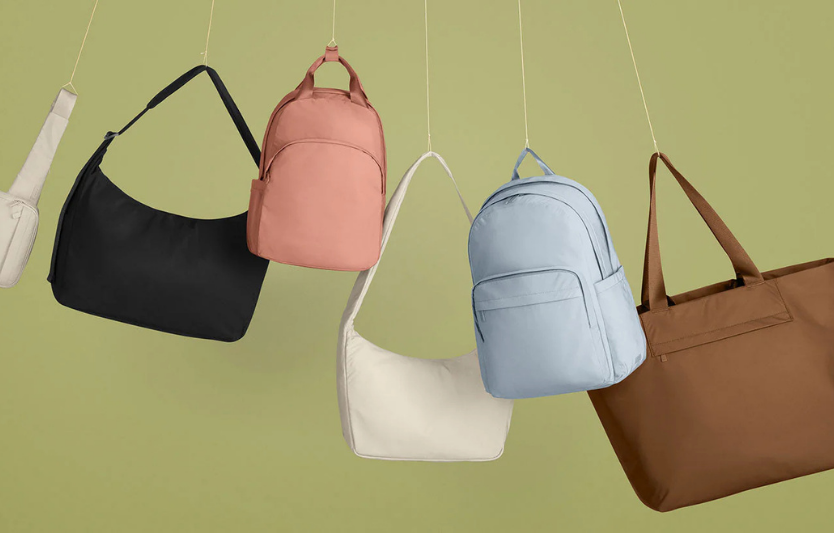
Most airlines define a personal item as something like a backpack, handbag, laptop bag, or small tote. The exact definition may vary slightly, but the general rule is consistent: if it fits under the seat and stays within the personal item size limit, it qualifies.
Personal Item Dimensions and Size Limits
Understanding personal item dimensions is essential before you pack. While different airlines have slightly different rules, the average personal item size limit is around 40 x 30 x 15 cm (16 x 12 x 6 inches). Some airlines allow slightly larger dimensions, but exceeding the limit may result in extra fees.
Because personal item dimensions are not always identical across airlines, it is wise to check your airline’s policy before traveling. However, if your bag is compact and flexible, you will usually stay within the allowed personal item size limit.
Soft-sided bags are often more forgiving than hard-shell options because they can adjust to fit under the seat. This makes them a safer choice when you want to comply with personal item dimensions without worry.
Examples of Personal Items
To better understand what is considered a personal item on a plane, here are some common examples:
- Backpack
- Handbag or purse
- Laptop bag
- Small duffel bag
- Tote bag
Each of these items typically meets personal item dimensions if not overpacked. However, a large hiking backpack or oversized bag may exceed the personal item size limit and be treated as a carry-on instead.
Knowing these examples helps clarify what is considered a personal item on a plane and prevents confusion during boarding.
Personal Item vs Carry-On: Key Differences
One of the most common travel questions is how a personal item differs from a carry-on bag. The difference comes down to size, storage location, and purpose.
A carry-on is larger and stored in the overhead compartment, while a personal item must fit under the seat. Because of this, personal item dimensions are significantly smaller than carry-on allowances.
When planning your packing strategy, think of your personal item as a space for essentials. This includes documents, electronics, and items you may need during the flight.
What to Pack in Your Personal Item
Since your personal item stays within reach, it is best used for valuables and essentials. Here are smart packing ideas:
- Travel documents and passport
- Phone, charger, and power bank
- Wallet and personal items
- Snacks and a reusable water bottle
- Headphones or entertainment
Packing strategically ensures you stay within the personal item size limit while keeping important items easily accessible. It also reduces the need to open your carry-on during the flight.
Tips to Stay Within Personal Item Size Limit
To avoid issues at the airport, follow these practical tips:
- Choose a compact, flexible bag that fits typical personal item dimensions
- Avoid overpacking, even if your bag technically fits the size limit
- Use packing organizers to maximize space
- Keep heavier items to a minimum for comfort and mobility
Understanding what is considered a personal item on a plane helps you make better decisions when choosing your bag and organizing your belongings.
Final Thoughts
Knowing what is considered a personal item on a plane is essential for smooth travel. By understanding personal item dimensions and respecting the personal item size limit, you can avoid unexpected fees and travel more efficiently.
A well-packed personal item keeps your essentials within reach and enhances your overall travel experience. With the right preparation, you can board confidently and focus on enjoying your journey.