Understanding carry on bag size rules and personal item size limits is essential for smooth travel. Airline baggage policies vary, but knowing the basics of carry on luggage size and personal luggage size can help you avoid unexpected fees and delays. This guide explains everything you need to know about airline personal item size and carry on bag size so you can pack efficiently and confidently.
What Is a Carry-On Bag?
A carry-on bag is luggage that you bring into the aircraft cabin. The allowed carry on luggage size depends on airline baggage policies, but most airlines follow similar standards. Typically, a carry on bag size must fit in the overhead compartment and meet specific dimensions.
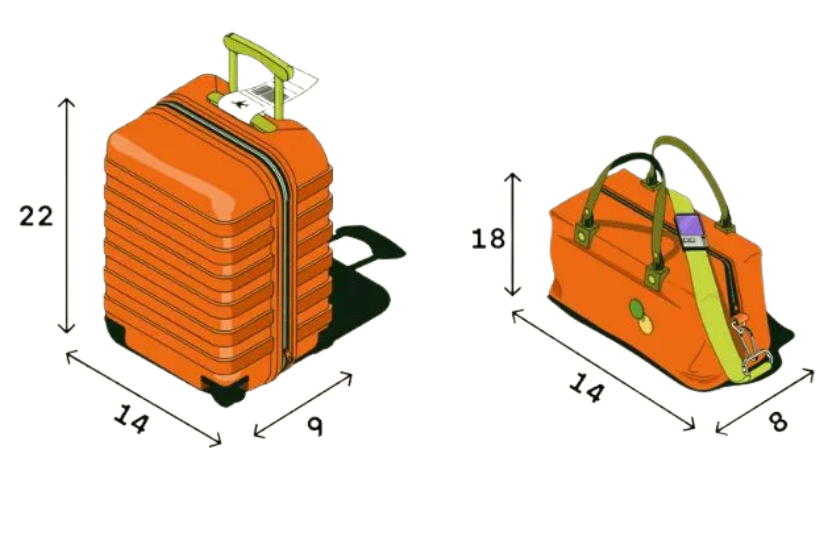
Standard carry on luggage size often falls around 55 x 40 x 20 cm (22 x 16 x 8 inches), though exact limits may vary. Always check airline baggage policies before flying to ensure your carry on bag size is compliant.
What Is a Personal Item?
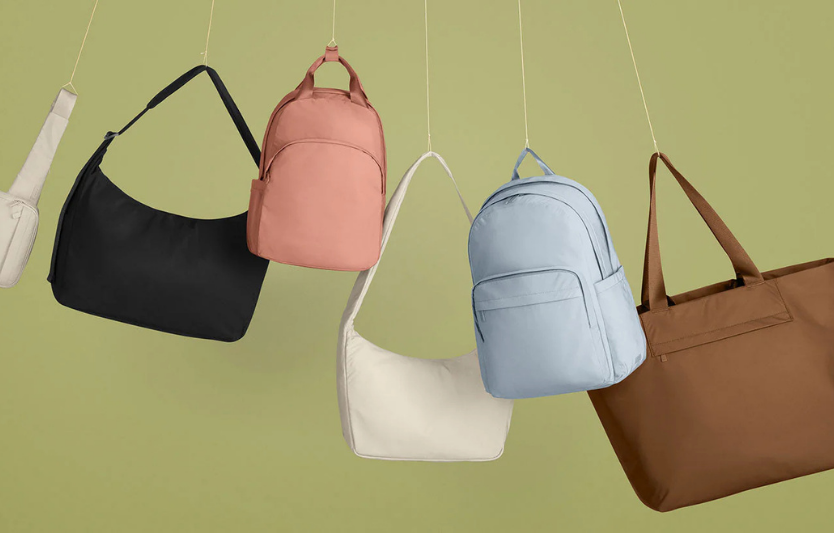
A personal item is a smaller bag you can bring in addition to your carry-on. Common examples include backpacks, handbags, or laptop bags. The airline personal item size must be small enough to fit under the seat in front of you.
Typical personal item size limits are around 40 x 30 x 15 cm (16 x 12 x 6 inches). However, personal luggage size requirements can differ depending on the airline, so reviewing airline baggage policies is crucial.
Differences Between Carry-On and Personal Item
The key difference between carry on luggage size and personal item size lies in storage and dimensions. Carry-on bags are stored in overhead bins, while personal items go under the seat.
Carry on bag size is generally larger and designed for clothing and essentials, whereas personal luggage size is smaller and ideal for valuables, documents, or electronics. Understanding airline personal item size rules helps you maximize your packing strategy.
Airline Rules and Baggage Policies
Airline baggage policies define both carry on bag size and personal item size. While many airlines follow international standards, budget airlines often enforce stricter limits on carry on luggage size and personal luggage size.
Some airlines weigh carry-on bags, while others only check dimensions. Exceeding airline personal item size or carry on bag size limits may result in additional fees or forced check-in at the gate.
Always review airline baggage policies before departure to confirm the allowed carry on luggage size and personal item size for your ticket type.
Tips for Choosing the Right Bag
Selecting the correct carry on bag size and personal luggage size can make your trip much easier. Look for lightweight, durable materials and ensure your bag meets airline baggage policies.
Choose a carry-on with expandable compartments but avoid overpacking, as it may exceed carry on luggage size limits. For personal item size, opt for a flexible bag that fits easily under the seat.
Packing Smart Within Size Limits
Efficient packing helps you stay within carry on bag size and personal item size restrictions. Use packing cubes, roll your clothes, and prioritize essential items.
Keep liquids and electronics accessible, especially if your personal luggage size is limited. By understanding airline personal item size and carry on luggage size rules, you can avoid stress at the airport.
Common Mistakes to Avoid
Many travelers misunderstand airline baggage policies, leading to issues at check-in or boarding. One common mistake is assuming all airlines have the same carry on bag size rules.
Another is overloading your personal item beyond the allowed personal item size. Always double-check airline personal item size and carry on luggage size before traveling.
Conclusion
Mastering carry on bag size and personal item size requirements ensures a smoother travel experience. By following airline baggage policies and understanding the differences between carry on luggage size and personal luggage size, you can pack smarter and avoid unnecessary fees.
Travel with confidence by choosing the right bags, packing efficiently, and staying within airline personal item size and carry on bag size limits.